Overview of Betting Sponsorships in Brazil’s Serie A
In recent years, betting sponsorships have emerged as a significant aspect of Brazil’s football ecosystem, particularly within the Serie A league. These partnerships have rapidly gained traction due to the increasing acceptance of online betting platforms, which have become a popular pastime among football fans. As the landscape of Brazilian football evolves, the integration of betting companies into the sporting fabric not only enhances club financial viability but also affects the overall commercialization of the sport.
Prominent betting organizations such as Betfair, Bet365, and Sportingbet have established partnerships with various clubs over the years, ranging from jersey sponsorships to extensive promotional campaigns. These collaborations have provided clubs with substantial financial support, enabling them to invest in player acquisitions, infrastructure improvements, and marketing initiatives. The influx of capital from these sponsorships has helped propel Brazilian teams into regional and continental competitions, thereby elevating their competitiveness on a global scale.
Amidst the growing trend of betting sponsorships, the implications extend beyond mere financial benefits. While clubs enjoy increased revenue streams, the associations with betting companies have sparked discussions regarding the ethical and social responsibilities of football associations. Critics argue that the prominent visibility of betting brands may contribute to gambling addiction, particularly among younger audiences. Conversely, advocates of such partnerships highlight the potential to regulate and promote responsible gaming practices within the sport.
As the landscape continues to shift, analyzing the trajectory of betting sponsorships in Brazil’s Serie A is crucial in understanding their role in shaping both the financial and ethical dimensions of football. The outcome of current debates around these partnerships will likely have ramifications for the future of the sport, impacting clubs, sponsors, and fans alike.
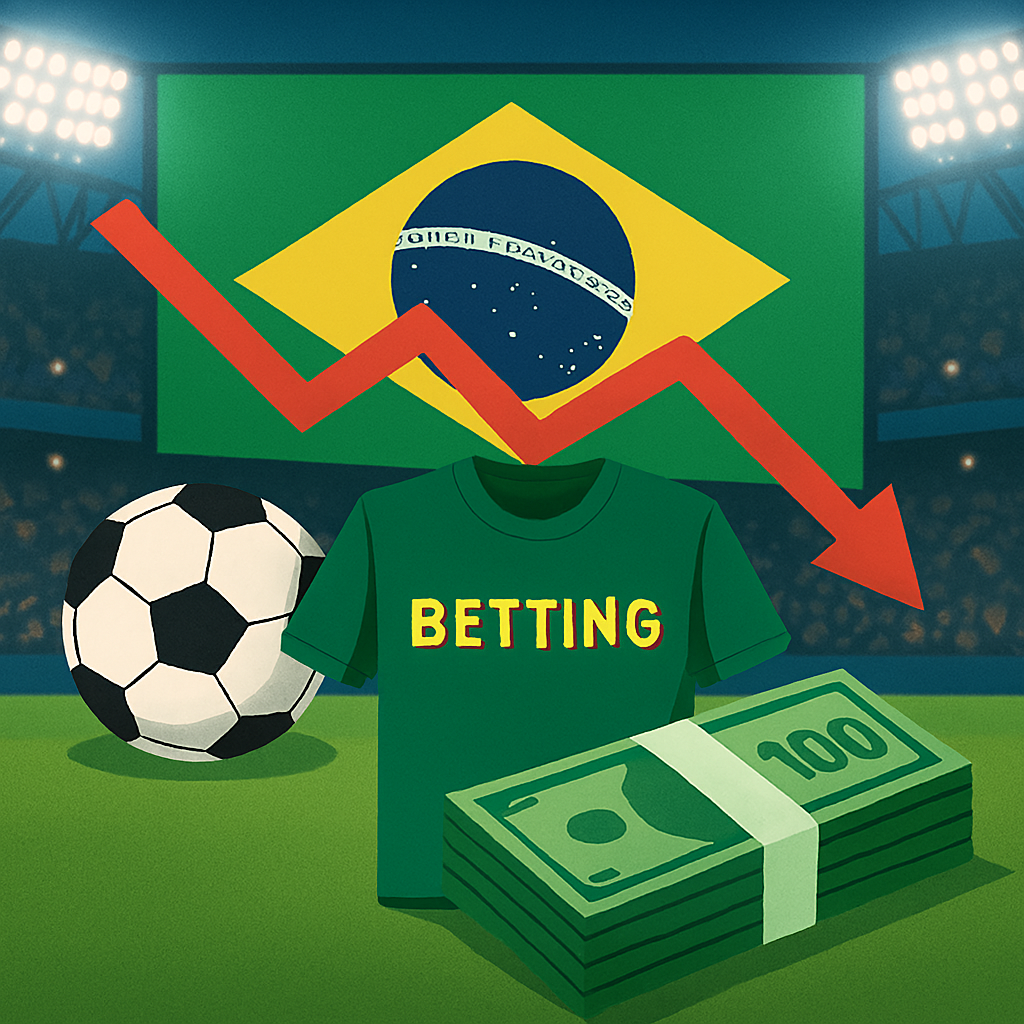
Current Market Analysis: 33% Decline in Sponsorship Deals
In recent evaluations of the Brazilian sports sponsorship landscape, a notable decline of 33% in betting sponsorship deals for the 2026 season has been documented. This decrease is significant and warrants attention from all sectors, including fans, stakeholders, and marketers. The current downturn can be attributed to a multitude of factors, primarily encompassing economic challenges, regulatory modifications, and evolving public sentiments towards betting in sports.
First and foremost, Brazil’s economy has encountered a series of challenges that have directly impacted advertising budgets within the sports sector. Companies are re-evaluating their spending strategies, leading to a contraction in available funds for sponsorship deals. Amidst this economic backdrop, brands are becoming increasingly cautious about entering into new sponsorship agreements, particularly in the volatile betting market.
Moreover, regulatory changes have played a pivotal role in shaping the dynamics of the betting sponsorship landscape. Recent legislation aimed at tightening regulations around gambling has created uncertainty for operators and brands alike. The implications of these legal adjustments can significantly deter potential partnerships as companies assess the effects of such regulations on their brand image and market viability.
Additionally, shifting public perceptions regarding the appropriateness of betting in sports cannot be overlooked. There has been a growing discourse around responsible gambling and the ethical implications of promoting betting sponsorships in a sports environment. Fans and societal advocates are increasingly vocal about the need for moderation and accountability in gambling promotions, creating hurdles for potential sponsorship deals.
As we gauge the current state of the betting sponsorship market in Brazil’s Serie A, it is evident that stakeholders must navigate a complex web of economic, legal, and social challenges. This decline is not merely numerical; it reflects deeper shifts in how betting is perceived within the sports framework, highlighting the necessity for adaptation among brands looking to succeed in this ever-evolving market.
Impact on Serie A Clubs and Future Prospects
The decline of betting sponsorships in Brazil’s Serie A has ushered in a new era of challenges for clubs that have long relied on this funding source. Financially, many clubs are now feeling the pinch as these sponsorships provided significant revenue streams necessary for operational stability and player acquisitions. With reduced income from betting companies, clubs are forced to reassess their budgets and perhaps make difficult decisions regarding player salaries and transfers.
Strategically, the absence of betting sponsorship means that Serie A clubs must seek alternative sources of revenue. Traditional avenues, such as merchandise sales and ticket sales, are often insufficient to fill the financial void left by betting companies. Therefore, clubs may need to explore new partnerships, including collaborations with technology firms and investment in digital marketing strategies. Adaptation to the current landscape will be pivotal, as clubs strive to balance their on-field competitiveness with the necessity of robust off-field business ventures.
The long-term outlook for sponsorship deals in Brazilian football appears to be on a gradual evolution path. As sports marketing shifts focus toward sustainability and ethical considerations, Serie A clubs must prepare to embrace new types of sponsorships that may not be directly linked to betting. This could involve forming alliances with eco-conscious brands or engaging in community-focused initiatives. The integration of technology in sports, such as augmented and virtual reality experiences, could also attract new sponsors wanting to connect with the passionate Brazilian football fanbase.
In a rapidly changing sporting environment, the ability of Serie A clubs to navigate through this decline in betting sponsorships will significantly define their future trajectories. Clubs that can innovate and diversify their revenue strategies may emerge stronger, while those that struggle to adapt could face considerable challenges.
Regulatory Framework and the Future of Betting Sponsorships
The regulatory environment governing betting sponsorships in Brazil has evolved significantly, shaped by both domestic law and international standards. As of now, betting remains a highly scrutinized sector in Brazil, with current laws tightly regulating gambling practices. The Brazilian government has acknowledged the need for comprehensive legislation to manage the burgeoning betting sector effectively. This has led to discussions about potential reforms that could either facilitate or restrict betting sponsorships within major sports leagues such as Serie A.
One key element of this regulatory framework is the emphasis on responsible gambling. Recent discussions have highlighted the importance of protecting vulnerable populations from gambling-related harms. This reflects a shifting attitude in governance, focusing on ethical considerations alongside economic interests. The ongoing debates surrounding responsible gambling practices may lead to stricter guidelines for sponsorship arrangements, compelling betting companies to adopt more transparent marketing strategies that emphasize player safety and responsible gaming.
Moreover, potential reforms in Brazil’s gambling laws could directly influence the future of sponsorships in Serie A. If legislation is enacted that creates a more favorable environment for betting companies, it may set the stage for increased partnerships between clubs and betting firms. Conversely, if regulations become more stringent, this could limit the financial resources available to clubs, as sponsorship deals have been a crucial revenue stream. These developments suggest a dynamic landscape where betting sponsorships could face challenges from both regulatory constraints and societal attitudes towards gambling.
In conclusion, the future of betting sponsorships in Brazil’s Serie A will be largely determined by regulatory adaptations and the ongoing emphasis on responsible gambling. As the negotiations and discussions continue, stakeholders must navigate the complexities of the legal framework and emerging ethical norms to define their future engagements effectively.