
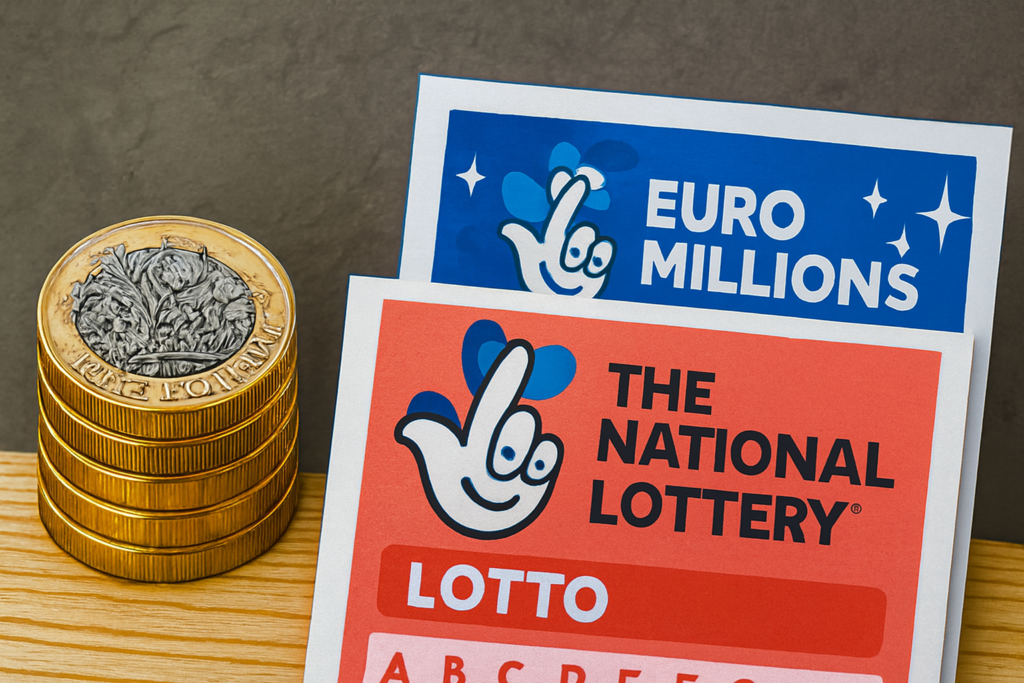
Understanding the Decline in Funding
Recent reports have indicated a significant decline in the good cause funding generated by the UK National Lottery, which decreased by £501 million in the third quarter of the year. This decline is concerning, as the funding has played a crucial role in supporting numerous charitable organizations and community projects across the country. The National Lottery was established with the aim of raising funds for various good causes, ranging from sports and arts to education and health initiatives. Therefore, a sharp reduction in funding raises questions about the sustainability of these valuable programs.
Several factors may contribute to the decline in National Lottery good cause funding. One of the primary reasons appears to be changes in player participation rates. With various forms of entertainment emerging, particularly during the pandemic, individuals have been diverting their spending. Consequently, fewer players may mean a lower total in ticket sales, ultimately leading to diminished funds available for allocation to good causes.
Additionally, a shift in funding allocation trends may also be influencing the decline in available resources. The National Lottery has been continuously revising its funding distribution mechanisms, and these changes can impact the final amount directed toward good causes. For example, an increasing portion of funds has been allocated to administrative costs or major infrastructure projects, which may inadvertently reduce the amount that reaches smaller local charities.
Broader economic implications, such as rising living costs and inflation, could also be contributing to this downward trend. As individuals face increased financial pressures, discretionary spending on lottery tickets may decrease, further impacting the funding landscape. Understanding these factors is essential for stakeholders to develop strategies that can potentially reverse this decline and sustain the essential support provided to various good causes.
Impact on Beneficiaries
The reduction in National Lottery Good Cause funding presents significant challenges for various organizations and projects that rely on this vital financial support. Many charities, arts organizations, and sports initiatives face uncertain futures as funding streams diminish. Local communities, which often depend on these funds for essential services and programs, are particularly vulnerable as the decline translates to fewer resources for engagement and development.
When funding diminishes, the consequences ripple through numerous sectors. Charities aiming to address urgent social issues may find their operations severely hampered. Programs that provide crucial support, such as mental health services or homelessness prevention, often struggle to maintain their reach, leading to an increase in service waiting times or a complete cessation of programs. This decline can translate into increased hardship for individuals who rely on these vital interventions.
Arts organizations, which contribute significantly to cultural enrichment and local economies, are also adversely affected. Reduced funding can result in less opportunity for public engagement and fewer artistic programs that cater to diverse community needs. As exhibitions and performances become scarce, the cultural landscape may shrink, leading to diminished access to the arts for local populations.
Furthermore, funding cuts impact sports initiatives aimed at promoting health and community involvement. With less financial backing, programs designed to engage youth, build skills, and foster teamwork may face cancellation or downsizing. This, in turn, affects community cohesion and individual development, emphasizing the broader social importance of financial backing from the National Lottery.
Personal stories underscore the human element behind these statistics. Individuals reliant on community support services highlight the profound effects of diminished resources on their day-to-day lives. As such, the impact of the decline in National Lottery Good Cause funding echoes across various sectors, emphasizing the urgent need to address this significant challenge.
Government and Regulatory Reactions
The recent decline in funding allocated to good causes through the National Lottery has prompted significant reactions from both government bodies and regulatory authorities. In light of the concerning trend, various stakeholders have initiated discussions to explore potential measures aimed at reversing this downturn. The government understands the crucial role that good cause funding plays in supporting various community projects, charities, and social initiatives.
One of the primary responses has been the proposal of policy adaptations that can enhance the flow of funds to deserving causes. Legislators are considering adjustments to existing lottery regulations to ensure a more sustainable distribution of lottery revenues. These discussions include exploring the possibility of increasing the percentage of funds allocated to good causes, thereby directly addressing the shortfall witnessed in recent years.
Furthermore, lottery regulators are examining the operational frameworks governing the National Lottery to identify areas that may require reform. This includes assessing the efficacy of current marketing strategies and ticket sales, with a focus on how these factors can be optimized to boost revenue. In addition, various initiatives, such as targeted campaigns to raise awareness of the good causes funded by the lottery, are being discussed to encourage higher participation rates among the public.
Moreover, there is a growing recognition of the need for collaboration between the government, regulatory bodies, and community organizations. Partnerships could be forged to share resources and enhance outreach efforts, ensuring that the narrative surrounding National Lottery good cause funding resonates with a broader audience. By fostering a collective approach, stakeholders aim to stabilize and potentially increase contributions to good causes, reversing the negative trend in funding that has become a pressing concern.
Future Prospects for National Lottery Funding
The future of National Lottery good cause funding faces a number of significant challenges but also opportunities for revitalization. To counteract the alarming decline in funding levels, stakeholders must consider potential strategies that could enhance engagement among players and broader participation, particularly targeting younger audiences. This approach can lead to increased contributions, which are essential to sustaining various good causes across the UK.
One avenue that could be pursued is the implementation of innovative marketing campaigns designed to resonate with a new generation of lottery participants. This might include leveraging social media platforms, where younger demographics spend much of their time. By developing targeted advertising strategies that emphasize the direct impact of their contributions on local communities, the Lottery can foster a sense of personal investment among participants. Enhanced transparency regarding the distribution of funds and the projects supported could also provide players with greater motivation to engage with the Lottery.
In addition to marketing initiatives, creating new and exciting game formats could further intrigue a diverse participant base. Introducing smaller, more frequent draws with accompanied prizes and community-driven contributions could catch the attention of a demographic that values immediacy and direct outcomes. Moreover, partnerships with local organizations could ensure that players see the tangible benefits of their contributions, thereby fostering loyalty and sustained participation.
Should the decline in funding continue unchecked, the long-term outlook for good causes remains precarious. Essential services and community projects that rely heavily on Lottery funding may face significant cutbacks, leading to detrimental effects across sectors such as health, education, and culture. It is crucial that immediate action is taken to harness innovative measures and outreach strategies to safeguard the future of National Lottery good cause funding.