
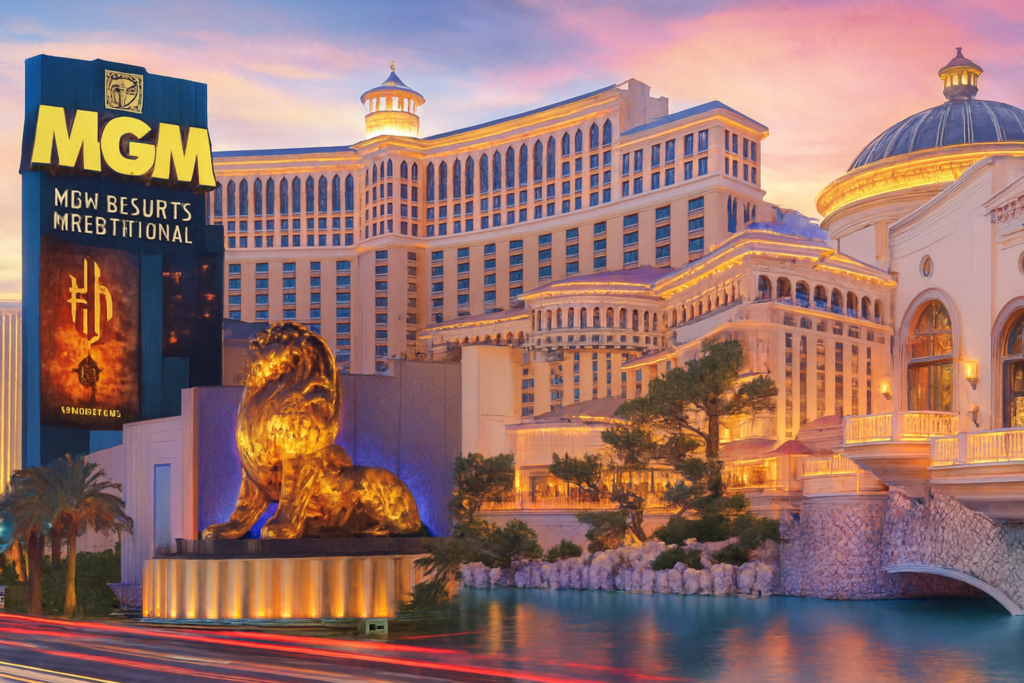
Overview of MGM’s Recent Performance
The year 2025 has been marked by significant challenges for MGM Resorts International, particularly in the context of its performance on the Las Vegas Strip. Despite the iconic status of this location, fluctuations in demand and changes in consumer behavior have impacted the company’s overall revenue and visitor numbers. In the wake of the global pandemic, the Las Vegas Strip experienced a gradual recovery, but the anticipated surge in demand has not materialized to the extent that stakeholders had hoped.
Emerging from a period of lockdowns and travel restrictions, visitors returned to Las Vegas, yet many factors have contributed to a less robust performance than expected. Economic uncertainties, rising inflation, and shifting consumer priorities have influenced travel decisions, leading to a diversified range of experiences sought by potential visitors. Rather than concentrating solely on traditional gaming and entertainment, there is an emerging trend toward wellness, sustainability, and unique itineraries, which MGM and similar entities must adapt to in order to thrive.
Moreover, competition on the Strip is fierce, as numerous luxury properties and entertainment venues vie for the attention of tourists, making it imperative for MGM to enhance its value offerings. Consequently, the demand indicators for MGM are mixed; while there are pockets of improvement in certain segments, overall performance is being scrutinized. The company’s ability to attract and retain visitors relies heavily on innovation and engagement with evolving consumer trends. This situation necessitates a detailed analysis of specific demand indicators, which can illuminate the key strengths and weaknesses in MGM’s current operational strategy.
Analysis of Demand Indicators
MGM Resorts International has been monitoring several key demand indicators as part of its strategic approach to navigate the evolving market landscape. Foremost among these indicators are visitor numbers, hotel occupancy rates, and gaming revenues, each providing vital insight into consumer behavior and overall performance.
Visitor numbers serve as a primary gauge of interest in MGM’s offerings. Over the last few years, there has been a noticeable fluctuation in these figures, influenced by a range of external factors including economic conditions, travel restrictions, and local events. A comparative analysis of annual visitor statistics reveals that while some periods saw a decline due to unforeseen circumstances, recent trends indicate a resurgence in tourism, particularly in 2023, providing a potential glimpse of future growth.
In tandem with visitor figures, hotel occupancy rates have been closely monitored. High occupancy rates are typically indicative of strong demand and consumer confidence. The occupancy rates at MGM properties have shown a gradual recovery, particularly during weekends and peak seasons. However, mid-week performance continues to lag behind historical averages, suggesting that capturing consistent business travel will be essential for overall profitability.
Gaming revenues, a critical component of MGM’s financial health, are also telling indicators. They reflect not only visitor engagement but also the competitive landscape within the Las Vegas Strip. A detailed look at monthly gaming revenue trends suggests a complex interplay of promotional strategies, economic conditions, and evolving customer preferences, revealing that while gaming revenues have seen spikes during holiday periods, sustaining these levels throughout the year presents ongoing challenges.
In summary, the analysis of these demand indicators illustrates the dynamic environment in which MGM operates. Understanding these metrics is crucial as MGM seeks to enhance its offerings and align itself with shifting consumer behaviors, ultimately aiming for a more resilient performance in the years to come.
Factors Influencing Market Demand
The demand for MGM’s offerings on the Strip is influenced by a convergence of both external and internal factors. One of the primary external factors is the prevailing economic conditions, which directly affect consumer spending habits and travel behaviors. Economic downturns generally lead to reduced disposable income, subsequently decreasing leisure travel and entertainment expenditures. Conversely, a robust economy can bolster demand, making high-stakes gambling and extravagant entertainment more appealing to visitors.
Another significant element is the travel trends which shape how potential customers view Las Vegas. Changes in tourist demographics, such as increased interest from international travelers or a shift in preference towards experiential stays, can significantly impact visitor numbers. Additionally, events such as conventions and festivals in the area may drive spikes in demand, influencing occupancy rates at MGM properties as well as others on the Strip. Understanding these trends is crucial for MGM to align their marketing strategies effectively and position themselves as a preferred destination.
Public health considerations, particularly in the context of ongoing or emerging health crises, also play a pivotal role in market demand. The COVID-19 pandemic dramatically altered the landscape of the hospitality and entertainment industries. MGM, along with other casinos, had to adapt swiftly by implementing rigorous health protocols and improving safety measures to regain consumer confidence. The lingering effects of the pandemic continue to shape guest behaviors, with many travelers prioritizing safety and hygiene when choosing destinations.
Lastly, the competitive landscape cannot be overlooked. MGM’s strategic initiatives, including promotional offers, loyalty programs, and unique experiences, are essential to maintaining a competitive edge. Analyzing competitor strategies and adapting to market needs will determine MGM’s ability to attract a steady flow of visitors, thereby enhancing demand on the Strip.
Future Outlook: Strategies for Recovery
As the hospitality and entertainment industry faces new challenges, MGM Resorts International is adopting proactive strategies to enhance its performance and recover from setbacks experienced in 2025. Recognizing the importance of customer experience in driving repeat visits, MGM is committed to implementing initiatives that elevate service standards, engagement, and overall guest satisfaction. By leveraging customer feedback and data analytics, the company aims to identify areas for improvement and instill a customer-centric approach across all its properties.
Marketing strategies will also undergo a significant transformation. MGM plans to enhance its digital marketing efforts by incorporating targeted advertising campaigns that utilize data-driven insights. These campaigns will focus on attracting different demographics, including millennials and Gen Z, who are increasingly seeking unique and immersive experiences. Collaborations with influencers and strategic partnerships will further amplify MGM’s reach in enticing prospective visitors and keeping the brand relevant.
Investments in technology remain a cornerstone of MGM’s strategic plan. The introduction of advanced systems, such as AI-driven customer service tools and personalized offerings, aims to streamline operations and enrich the guest journey. Additionally, MGM is exploring opportunities for sustainable practices within its infrastructure, ensuring that environmental considerations are woven into their development plans. Upgrading existing facilities and investing in new attractions will not only enhance operational efficiency but also create a refreshed allure for visitors.
Through these multifaceted strategies, MGM Resorts International seeks to bolster its market position, create memorable experiences, and ultimately attract more visitors back to the Strip. By focusing on customer experience, innovative marketing, and cutting-edge technology, the company is setting the foundation for a robust recovery and continued success in the dynamic landscape of the hospitality industry.