
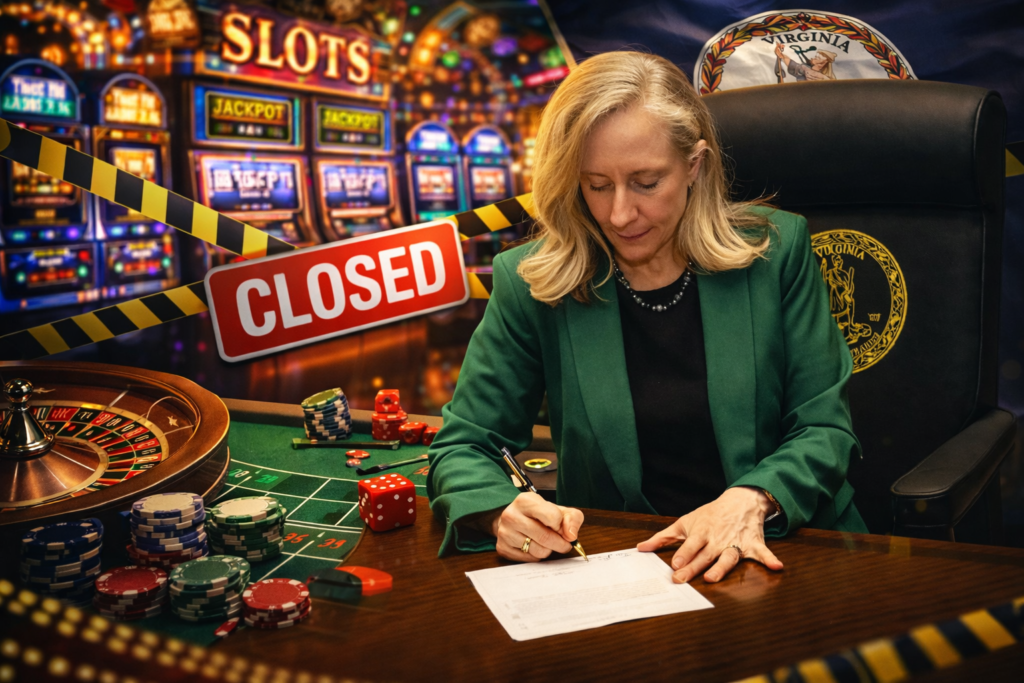
Overview of the Virginia Casino Project
The proposed casino project in Fairfax County, Virginia, had generated significant interest and contention among various stakeholders. Initially presented in early 2022, the project sought to establish a major gaming and entertainment complex designed to attract visitors from across the region. This ambitious proposal intended to include a casino, a luxury hotel, restaurants, and other leisure facilities, aiming to enhance the local economy and tourism.
Key stakeholders involved in the project included the local government, potential investors, and community advocacy groups. The Fairfax County Board of Supervisors played a critical role in reviewing the proposal and engaging the community through public meetings and consultations. Proponents of the casino argued that it would create thousands of jobs, increase tax revenues, and stimulate local businesses through the influx of visitors.
However, the project was met with mixed responses from the community. Supporters emphasized the potential economic benefits, while opponents raised concerns about social issues related to gambling, such as addiction and crime. A comprehensive analysis was conducted to assess the long-term effects of the casino on the local population and infrastructure. Additionally, the potential for increased traffic and its impact on nearby neighborhoods generated vigorous debate.
Despite the growing momentum for the project, in a surprising turn of events, the Virginia state government announced a halt to the plans, citing the need for further evaluations of the socio-economic impacts. This decision has left stakeholders reevaluating the future of the proposed casino, as discussions surrounding regulation, economic development, and community welfare continue to evolve.
Reasons for Halting the Project
The decision to halt the new casino project in Fairfax County by Virginia lawmakers was influenced by a combination of political, legal, and social factors. Public opinion played a significant role, with many community members expressing concerns regarding the socio-economic impacts of introducing a casino to the area. Residents voiced apprehensions about the potential for increased crime rates, gambling addiction, and the overall change in neighborhood dynamics that could arise from such a development.
Moreover, regulatory issues contributed to the project’s suspension. Lawmakers highlighted the need for a more comprehensive analysis of how the casino would fit within existing state laws governing gambling activities. The Virginia Gaming Control Board had not yet addressed all regulatory requirements, prompting concerns over the adequacy of the oversight mechanisms that would be in place to monitor casino operations. This situation raised questions about whether the state could ensure fair practices and transparency within the gambling industry.
Financial implications also played a crucial role in the decision. While casinos can generate significant tax revenue, lawmakers had to consider the long-term sustainability of the project. There were worries related to the costs associated with infrastructure developments and potential strains on local services, such as law enforcement and public health. With a number of financial forecasts suggesting that the initial economic benefits may not yield lasting positive results, skepticism mounted against moving forward with the casino project.
Collectively, these political, legal, and social factors underscored the challenges associated with the proposed casino in Fairfax County, leading lawmakers to reassess the viability of the project and ultimately conclude that it was in the community’s best interest to halt its progression for the time being.
Reactions from Stakeholders and Community
The recent decision by Virginia to halt the new casino project in Fairfax County has elicited a range of reactions from various stakeholders. Local government officials, community members, and business owners have expressed contrasting views regarding the implications of this significant development.
Supporters of the casino project argue that its construction would have spurred economic growth in the region. They contend that the casino would create jobs, boost tourism, and generate substantial tax revenue that could be reinvested into the community. Proponents are particularly vocal about the potential for local businesses to benefit from increased foot traffic, as visitors to the casino would likely explore surrounding shops and restaurants. Many believe that the casino project represented an opportunity for revitalization in Fairfax County, one that could improve the standard of living for many residents.
On the other hand, opponents of the casino project have expressed serious concerns regarding its social consequences. Community members have raised alarms about the potential for increased gambling addiction and its associated risks, which could exacerbate local social issues. There are fears that the presence of a casino might lead to increased crime rates, social unrest, and negative impacts on family life. Local activists have cited studies indicating a correlation between gambling establishments and societal problems, urging the government to prioritize public health and safety over economic incentives.
Business owners in the vicinity are divided in their opinions. Some fear that a casino might overshadow smaller businesses or contribute to traffic congestion, while others are hopeful that it would provide a significant boost to the economy by attracting a higher volume of shoppers and diners. The community remains split, with passionate arguments on both sides reflecting broader debates on economic development versus social responsibility.
Future Implications for Casino Development in Virginia
The recent decision to halt the new casino project in Fairfax County could have significant ramifications for the future of gaming in Virginia. As the state has shown a growing interest in expanding gambling options, particularly through casinos, this setback raises important questions about forthcoming legislation and development initiatives.
One immediate implication is the potential reevaluation of regulatory frameworks that govern casino operations. The cessation of this project may prompt lawmakers to reconsider the existing guidelines that determine how and where casinos can be established. This pause could lead to tighter regulations or even an enhanced focus on public sentiment related to gambling, especially in areas that have previously expressed concerns about the impact of casinos on communities.
Additionally, the halt may influence the trajectory of other gaming ventures statewide. Established casinos, such as those in Richmond and Norfolk, might face new scrutiny or competition if similar projects are delayed or transformed in response to this setback. Investors may also reassess their interest in Virginia’s gaming landscape; a significant halt could deter potential stakeholders from pursuing development in a state perceived as unstable for casino investments.
The broader landscape of gambling in Virginia will also likely evolve. With the growing acceptance of online gaming platforms and sports betting, the pause on brick-and-mortar casinos could potentially accelerate investments in digital gambling solutions instead. This shift might reframe the future of gambling in Virginia, emphasizing the importance of leveraging technology over traditional casino establishments.
In conclusion, while the halt of the Fairfax County casino project presents immediate challenges, it also offers an opportunity for Virginia to reassess its gaming policies and ensure that future developments align with community interests and economic goals. The direction taken in the aftermath of this decision will likely shape the future of casino development in the state.